Benefits of eSIM for International Travel in 2026: A Complete Guide to Choosing and Setting It Up
In travelers’ smartphones, digital connectivity is gradually replacing traditional SIM cards. We explain the main advantages of eSIM over physical cards, how the technology works, and how long it takes to set up a mobile connection abroad.
What Is a Virtual eUICC Chip and How Does the Technology Work?
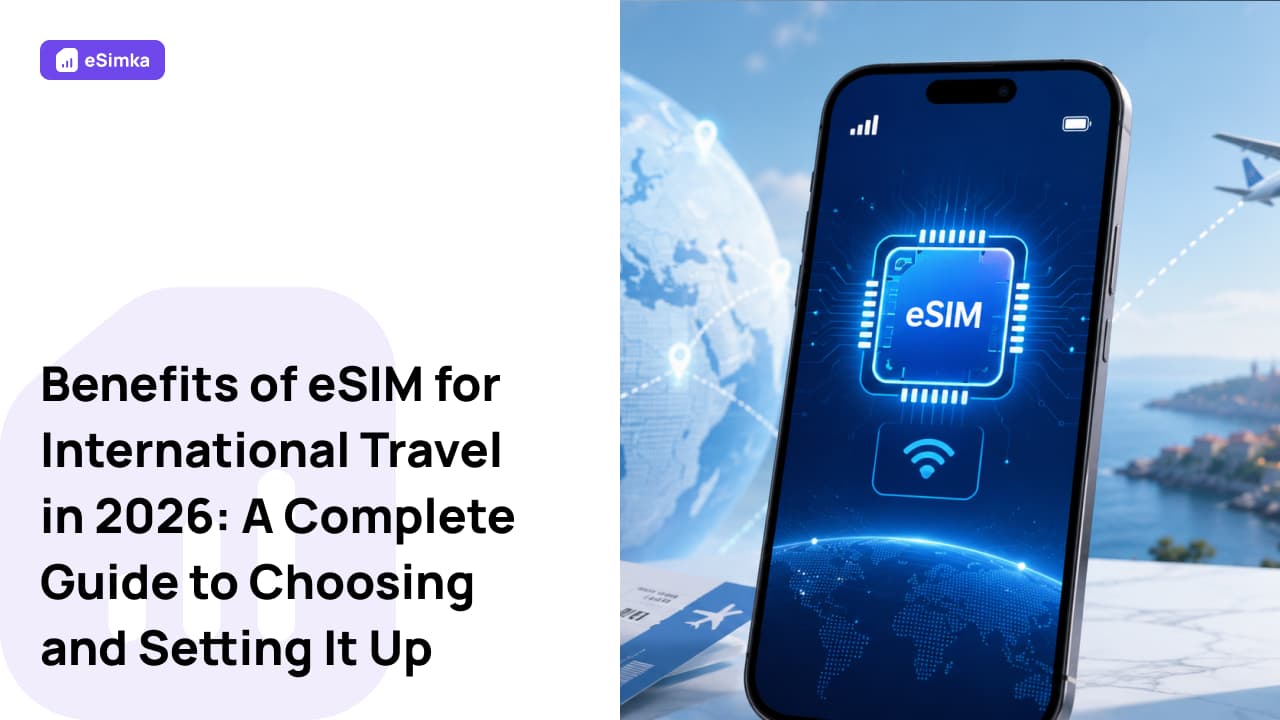
The term eSIM stands for embedded SIM. A smartphone’s motherboard contains a soldered eUICC microchip just a few millimeters in size. This built-in component replaces a plastic SIM card and provides authentication on mobile networks.
The chip is designed to have carrier data rewritten multiple times. Carrier profiles are downloaded remotely, so there is no need to open the SIM tray or visit a mobile operator’s store.
How a Digital Communication Module Works Instead of a Physical SIM Card
All encrypted configurations from the mobile operator are stored directly on the built-in chip. The server creates the required settings and transfers them to the device through a secure internet connection. To switch providers, you only need to select another option in the system settings. Simply choose the appropriate plan in the smartphone menu, and the system will apply it within seconds. This technology represents the future of mobile connectivity: there are no physical contacts to wear out and no SIM tray that can be damaged.
Key Benefits of eSIM for Tourists and Mobile Users
The practical benefits of this technology become especially clear when traveling. When a plane lands in another country, travelers need immediate access to maps and taxi services. Among the practical advantages of eSIM are purchasing without queues, flexible plans, and reliable protection of personal data while traveling.
Instant Network Access Without Searching for Local Mobile Stores
Buying a local SIM card after arrival usually means queues, overpaying, and dealing with a language barrier. Switching to a digital format eliminates these problems. With the eSimka service, you can choose a country and suitable plan in advance and pay for the order with a Russian bank card. An email containing a QR code for downloading the profile is sent to you, allowing you to complete the setup before departure.
Significant Savings on Mobile Data Compared With Standard Roaming
Standard roaming from your home operator can result in significant expenses even with minimal data usage. eSimka plans operate through direct agreements with international mobile networks. The plan includes either a fixed price for a package of gigabytes or unlimited daily data without hidden conditions.
Multiple Profiles: Switching Between Up to Ten or More Plans in One Tap
The built-in module can store between five and twenty profiles depending on the specific phone model. While traveling, you no longer need to look for a SIM ejector tool or open the tray to remove a plastic card. Trips with connections in different countries are also easier: you can switch to another plan directly through the system settings.
Improved Personal Data Security if the Device Is Lost
If a phone falls into the wrong hands, a conventional SIM card can be removed and inserted into another device to intercept SMS messages containing banking verification codes. Information stored in the built-in module cannot be deleted without entering the lock-screen password. Even if the smartphone is stolen, the digital eSIM can continue transmitting data, making it possible to track the device’s location through built-in device-finding services.
Using Your Home SIM Simultaneously for SMS and Banking Codes
There is no need to disable your main phone number while traveling. On supported smartphones, both connections can work simultaneously: the physical SIM card receives calls and messages, while the eSIM profile provides mobile internet access. Service notifications and banking verification codes will continue to arrive without delays.
Checking Device Compatibility With Digital SIM Technology in 2026
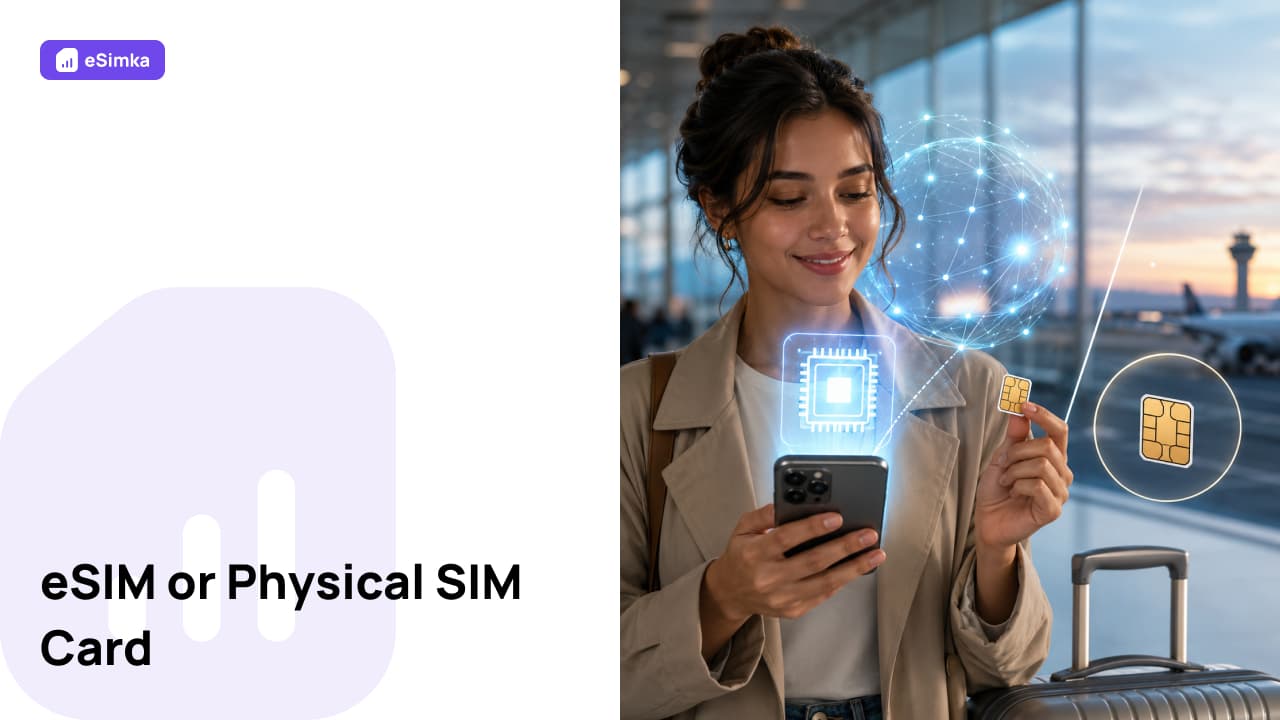
Before placing an order, check whether your device has a built-in eUICC module. An eUICC module is included by default in many current flagship and mid-range devices. Compatibility is easy to check: enter *#06# in the phone dialer. If a 32-digit EID number appears, this confirms that the smartphone supports eSIM technology.
Support for Built-In Chips on Apple, Samsung, Google, and Other Flagship Smartphones
Apple has included this chip in its smartphones since the iPhone XS and XR lineups. In some countries, iPhone models are already sold without a physical SIM card slot. Flagship Samsung Galaxy S and Z series devices, as well as Google Pixel smartphones, have supported digital profiles for several generations. Brands such as Xiaomi, Huawei, and Honor also use this technology in newer models.
Comparing Plans: How to Choose the Best Internet Package for a Trip
When weighing the advantages and disadvantages of different options, consider the duration of your trip and how you plan to use your smartphone. Accurately estimating your data needs allows you to choose the most suitable plan without overpaying for unused traffic.
Local, Regional, and Global Data Packages
For a short trip to a specific country, it is more practical to choose a local plan with a fixed data allowance. For trips across Europe or Asia, a regional plan is more convenient because you will not need to manually reconfigure your connection when crossing borders. A single global plan is designed for complex itineraries and flights with stopovers in different regions of the world.
Estimating the Required Number of Gigabytes for Navigation, Messengers, and Social Media
Maps and walking navigation require around 50–100 MB per day. Text messaging uses very little data, while one minute of a voice call in a messenger consumes approximately 1 MB. For ordering taxis and occasionally sending photos during a one-week trip, a 3–5 GB package is usually sufficient. If you plan to stream video or regularly connect a laptop, an unlimited plan is more practical.
Step-by-Step Guide: Purchasing and Activating a Digital Plan
Basic internet setup before a trip is extremely simple and does not require any special knowledge. The entire process is straightforward, and it is more practical to prepare the eSIM at home while connected to stable Wi-Fi.
Setting Up the Profile in Advance via QR Code Before Departure
After purchasing through eSimka, open the received QR code on another device or simply print it. Go to the mobile network section in your smartphone settings and select the option to add a cellular plan. Point the smartphone camera at the code in the interface and confirm installation of the digital profile.
Manually Entering Configuration Details if QR Scanning Fails
If you do not have a second screen available, the details can be entered manually on the main device. The email containing your order details includes the SM-DP+ server address and your personal activation code. Enter these parameters into the corresponding fields in the manual network setup menu.
Enabling Data Roaming and Selecting the Preferred Network After Arrival
After landing, open the mobile network settings and select the downloaded profile as the source of mobile data. Make sure to enable the “Data Roaming” option for this profile. The smartphone will automatically find a local network and connect to the internet without requiring a restart.
Limitations and Important Considerations When Using Virtual Numbers
Along with the list of eSIM advantages, the technology also has certain practical limitations. Some travel plans are intended only for internet access and do not provide a dedicated phone number for calls. In this case, voice communication is handled through messenger applications. A saved profile cannot be installed on a basic feature phone without eUICC support.
FAQ
Does an Active eSIM Profile Affect Smartphone Battery Life?
The built-in chip consumes the same amount of energy as conventional SIM cards. The battery drains faster only when the network signal is weak and the smartphone has to increase the power of its radio module.
Can eSIM and a Physical SIM Card Be Used Simultaneously in Dual SIM Mode?
Modern smartphones can operate both communication modules at the same time. The physical SIM card receives incoming calls from your home operator, while the digital profile from local operators provides mobile internet access without unnecessary roaming expenses.
How Many Active and Saved Digital Profiles Can Be Stored in a Phone?
Although the chip can store up to twenty profiles, smartphones can usually activate only one or two of them at the same time.
What Happens to the Physical SIM Card When a Travel eSIM Is Activated?
The standard plastic SIM card continues to work normally. To prevent your home operator from charging for background data usage, disable data roaming for the physical SIM slot in your phone settings.
How Can an Installed eSIM Profile Be Transferred to Another Smartphone When Changing Devices?
Most travel plans become linked to the microchip of a specific phone when activated. If you change your smartphone, you will need to purchase another plan to use it on the new device.
Can You Share Internet Access From a Travel eSIM Using Hotspot Mode?
Yes, every eSimka travel plan allows internet sharing through hotspot mode. You can share the connection with a laptop, tablet, or a travel companion’s device without losing connection speed.
Will Messenger Chats Be Preserved When Switching to an International Internet Profile?
All conversations, contact lists, and calls remain linked to your primary phone number. Changing the source of internet access does not affect how the applications work, so there is no need to sign in to your accounts again.
Can You Switch Back to a Traditional Physical SIM Card After Using a Digital One?
You can switch back to the physical SIM card at any time. The smartphone menu allows you to switch between the physical SIM card slot and the built-in eSIM module whenever needed.